- West coast - Municipality of Pájara
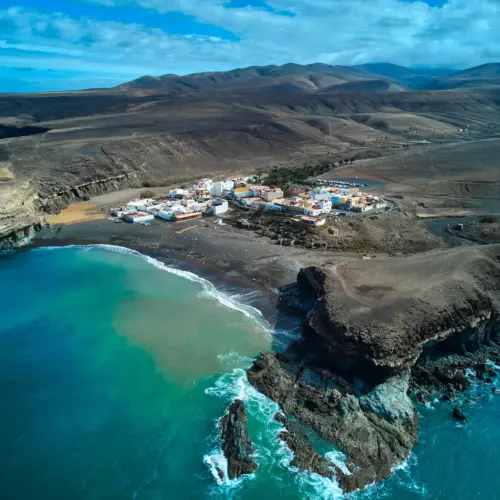
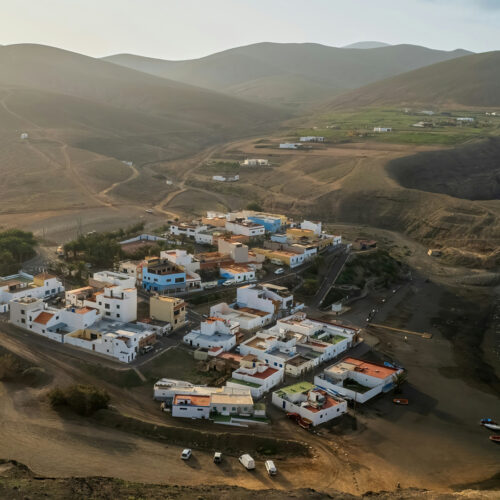
- Traditional fishing village with a unique coastal landscape
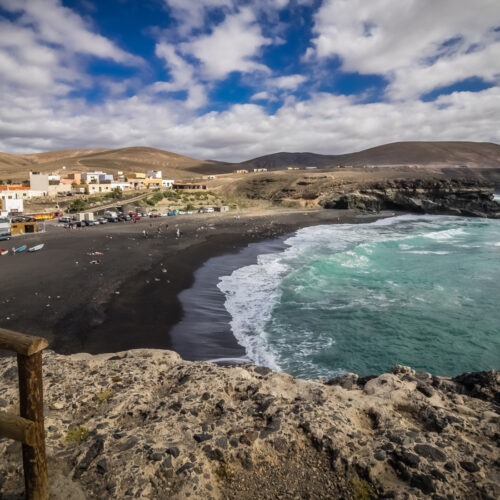
- Ajuy caves & black sand beach
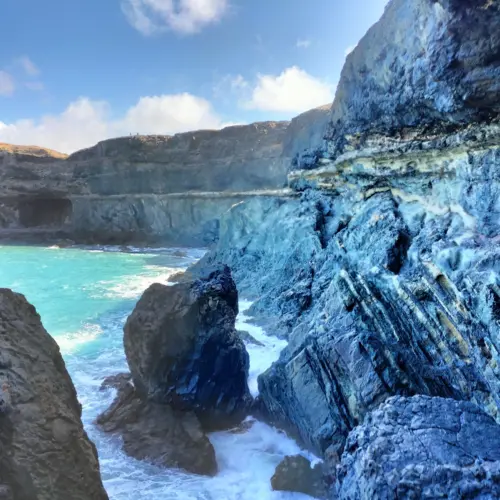
- oldest rock strata of the Canary Islands
- Highlight
Oldest rock strata in the Canary Islands
- Ajuy impresses with rock formations that expose the oldest layers of rock in the Canary Islands. These geological layers are between 100 and 150 million years old and date back to the Cretaceous period. The sediments they contain were formed in the depths of the ocean and are significantly older than the island of Fuerteventura itself, which is estimated to be around 30 million years old.
- DETAILS
Coastal town full of contrasts and history
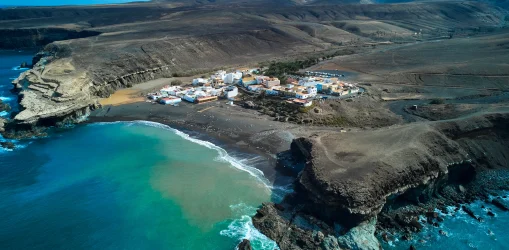
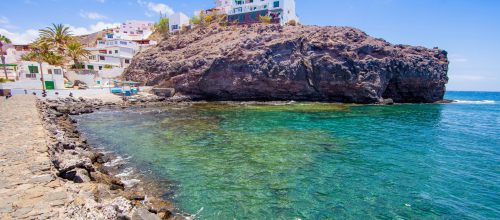
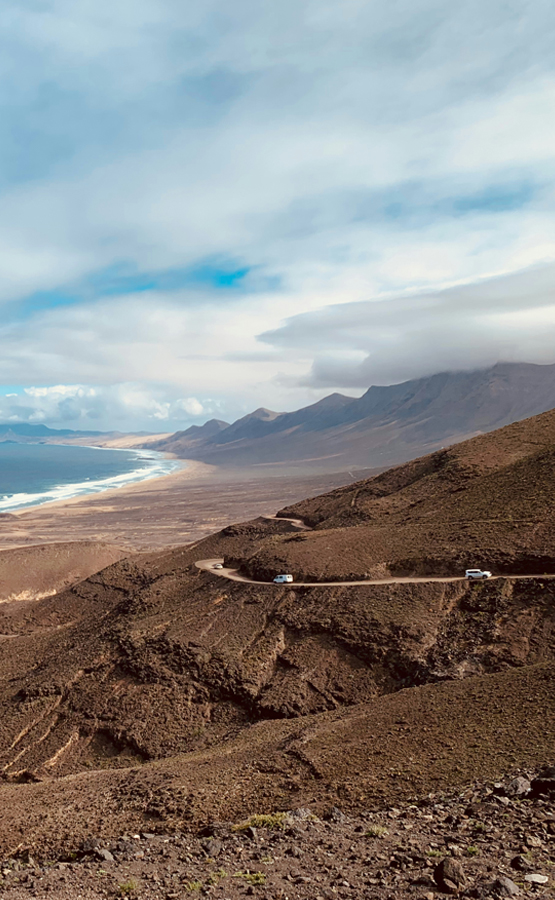
Ajuy is a small fishing village on the west coast of Fuerteventura, known for its impressive rock formations, black sand beach and unspoilt, unspoilt surroundings.
The nearby Cuevas de Ajuy in particular attract many visitors - a series of geologically impressive caves formed by volcanic activity. These caves contain limestone deposits that are around 100-150 million years old, making them the oldest part of the Canary Islands.
The layers of rock were formed long before the volcanic formation of the islands, as deposits on the seabed that were later lifted to the surface by tectonic movements. The black sandy beach of Playa de Ajuí forms a striking contrast to the light-coloured limestone cliffs and the deep blue Atlantic Ocean, creating a unique landscape.
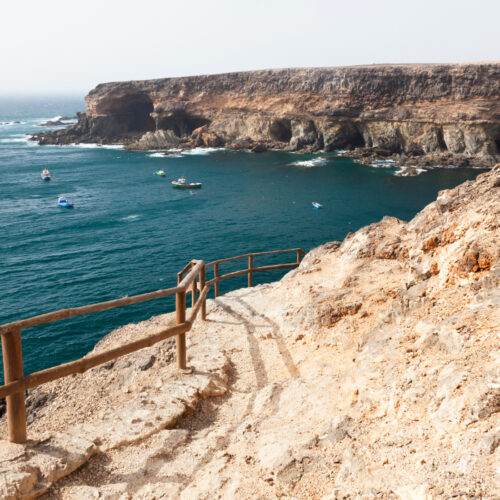
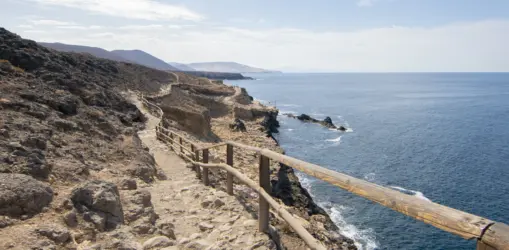
A well-maintained hiking trail leads from Ajuy to the caves and offers impressive views of the wild coastal landscape and imposing rock formations along the way.
In addition, the small local restaurants invite you to enjoy fresh fish in the authentic atmosphere of a traditional Canarian fishing village.
- VIVE Tip
Coastal hike & regional cuisine
- A hike to the impressive Cuevas de Ajuy is a great way to explore the spectacular and geologically significant coastal landscape.
- Small restaurants invite you to enjoy fresh fish and regional specialities.
- Getting There
By car
- Ajuy is located north-west of Pájara on the west coast of the island and can be reached via the FV-621.
- Car parking is available on site.
- Alternatively accessible by bus (L4/L18).
- Info & tips
PRACTICAL HINTS FOR exploring nature
- Activities
Discover unforgettable experiences & adventures
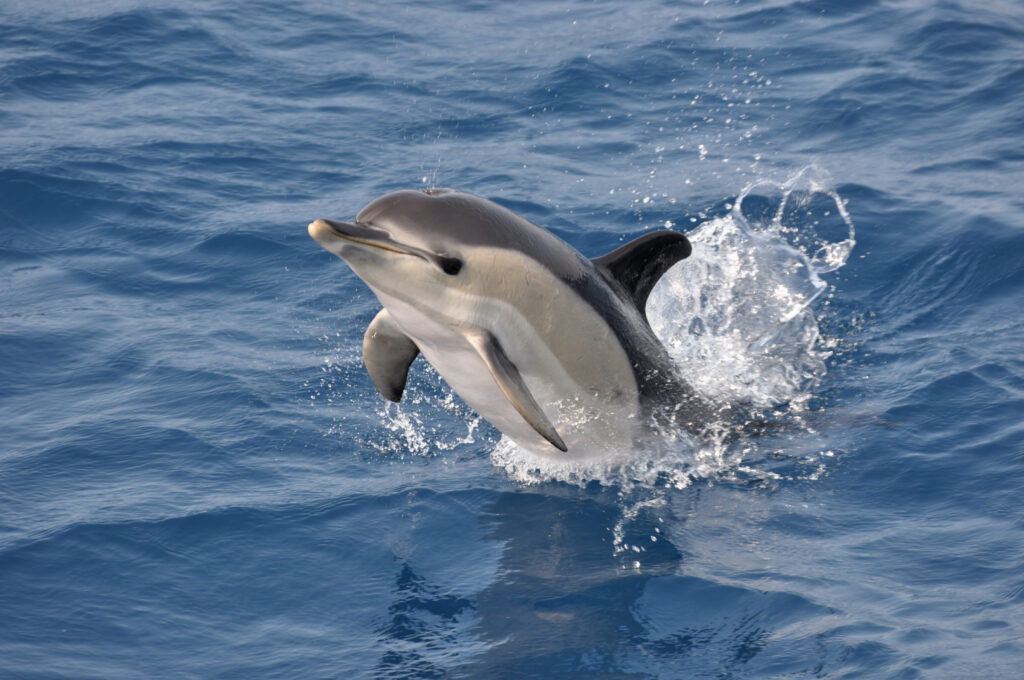
Dolphin observation
Highlights Sight Seeing
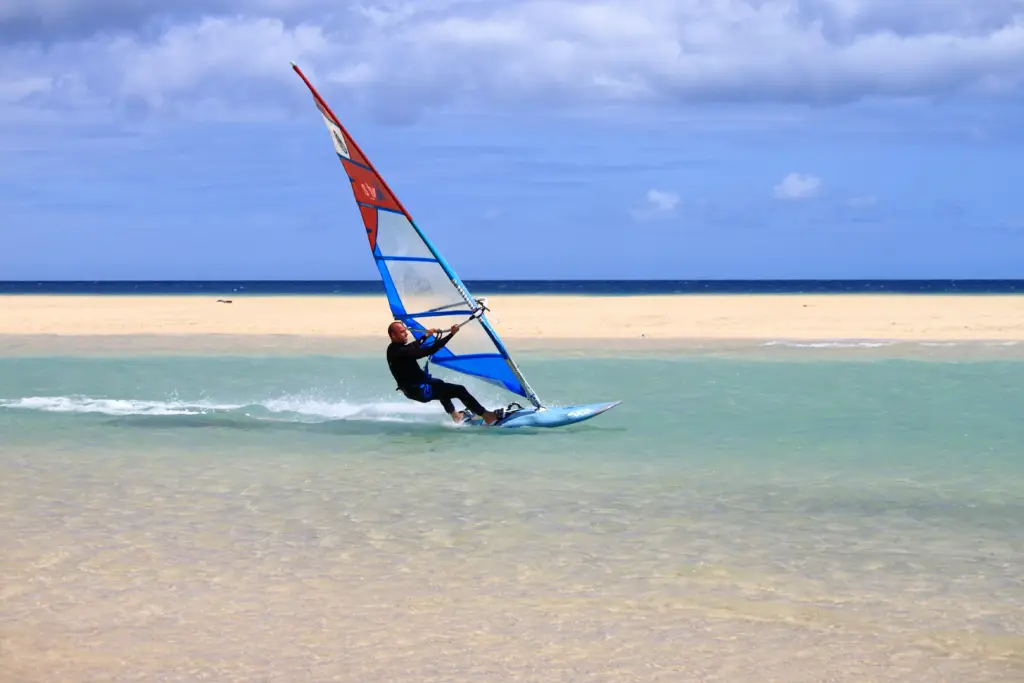
Windsurfing course
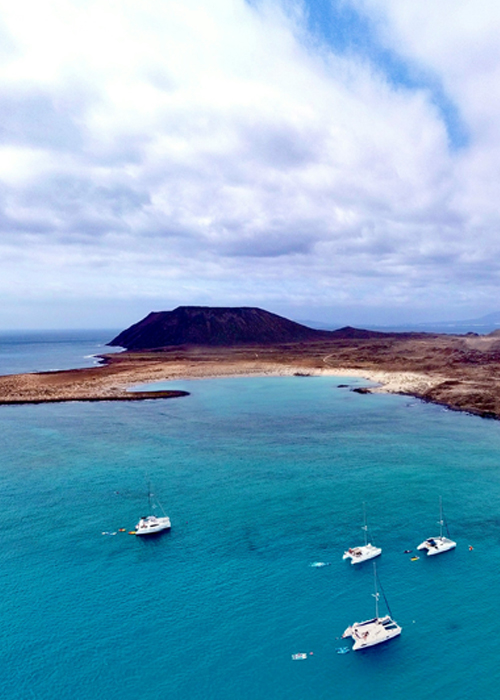
Catamaran Tour Lobos
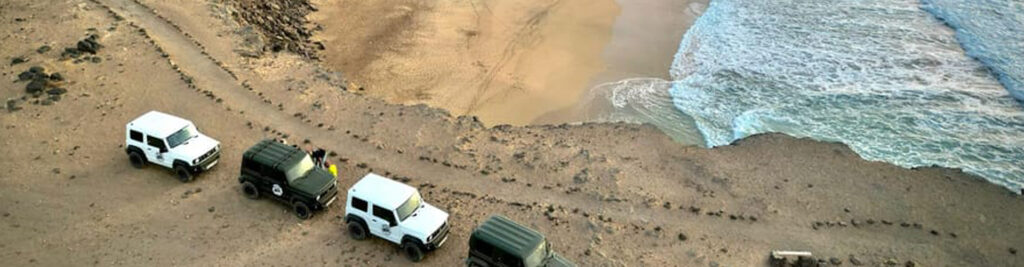
4×4 Jeep Tour
Wine tour & tasting
- discover more
Experience Fuerteventura in all its facets
- Blog & island knowledge