Worth knowing
Fuerteventura is located around 100 kilometres west of the Moroccan coast and is politically part of Spain. The island is known for its endless beaches, volcanic landscape and mild, sun-kissed climate, which attracts tourists all year round.
- Size and location
- Exploring by car: How long does it take?
- The difference between north and south
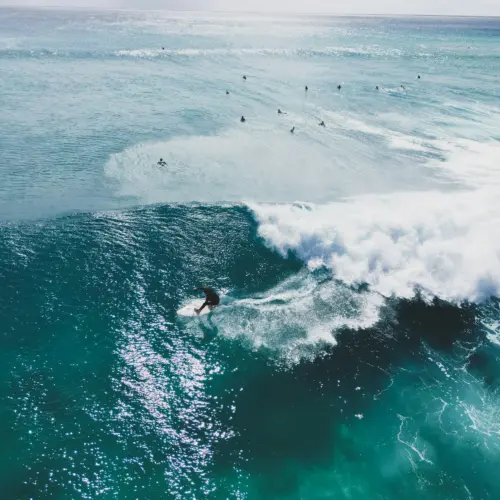
The north of Fuerteventura, around the town of Corralejo, is famous for the spectacular dunes of the Dunas de Corralejo Natural Park and the beaches, which offer perfect conditions for surfers. The north is also home to the island of Lobos, a small, unspoilt island, and the volcanic landscapes that give Fuerteventura its rugged charm.
Compared to the south, the north is more spacious and less densely populated - characterised by smaller, scattered villages that make the original character of the island tangible.
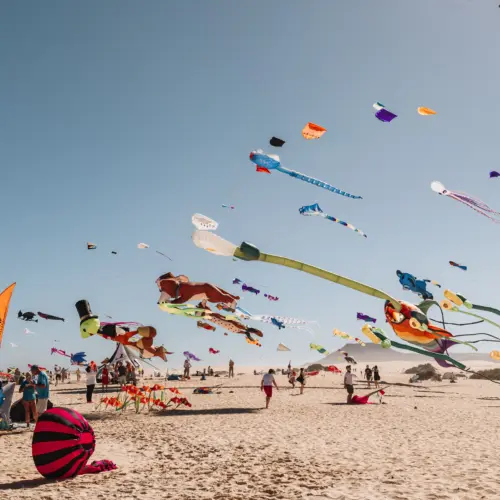
The south of the island, on the other hand, especially the Jandía peninsula, offers some of the most beautiful and extensive beaches in the Canary Islands, including the popular Playa de Sotavento. This region is known for water sports such as kitesurfing and windsurfing. The south is quieter and less populated, ideal for relaxation and nature excursions.
Despite the vast landscape and natural experiences, the south is largely characterised by tourism - especially along the coast, where there are numerous hotels and accommodation options.
- Weather: Sun all year round
The weather on Fuerteventura is mild and pleasant all year round. Temperatures are around 18-22 °C in winter and rarely rise above 30 °C in summer. Thanks to the trade winds, the climate remains pleasant and never too hot. The summer is dry and sunny, while the winter is somewhat wetter but still ideal for outdoor activities.
In the winter months, the wind often dies down a little, especially compared to the stronger trade winds in summer - this makes for calmer conditions, especially on the east and south coasts.
- Other highlights of the island
Beaches
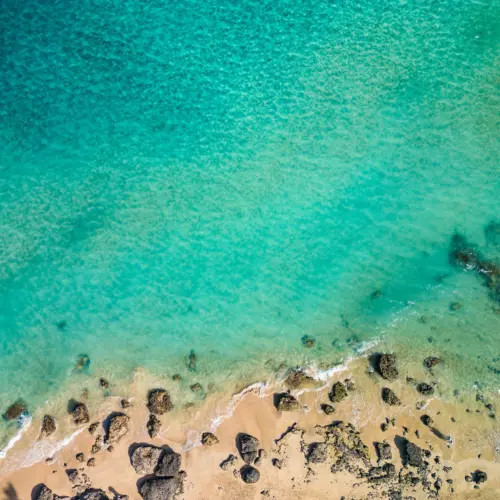
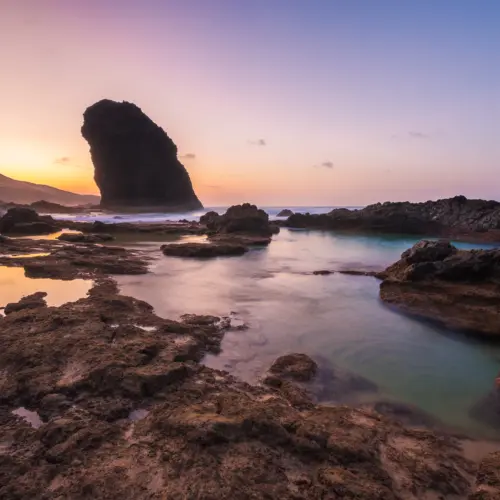
Fuerteventura is known for its more than 150 beaches, which stretch along around 70 kilometres of coastline. The island offers an impressive variety: from secluded natural beaches to hidden lagoons and dramatic cliffs. From kilometres of wide open spaces to sheltered bays, Fuerteventura's coastal landscapes are as varied as the island itself.
Volcanic landscape
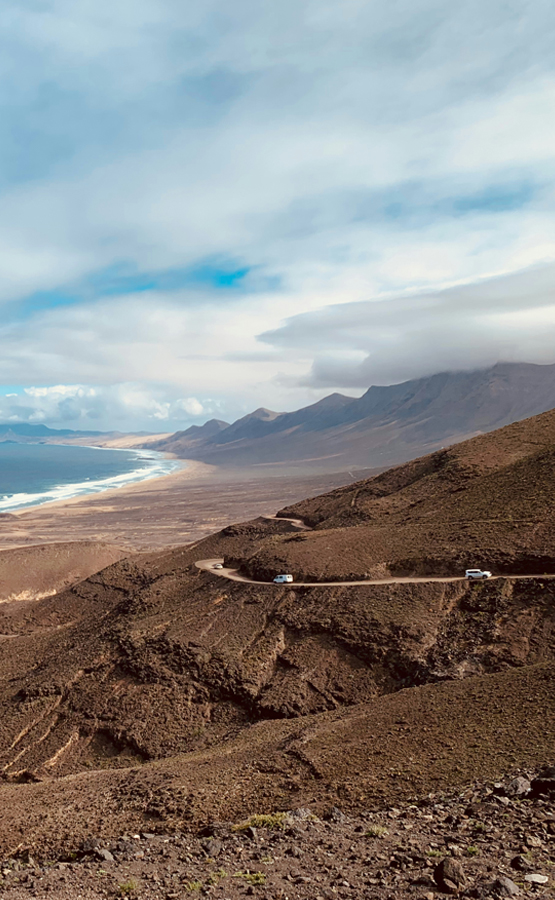
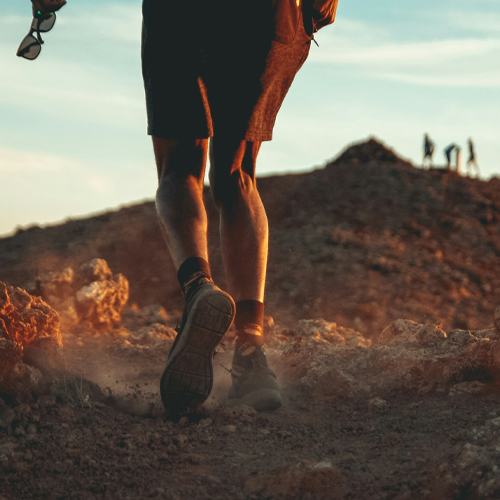
The island's volcanic past has left behind impressive landscapes. Hikes to volcanoes such as Calderón Hondo or through the Malpaís de la Arena area offer spectacular views. A geological highlight is located near Ajuy on the west coast, where the oldest exposed rock strata in the Canary Islands can be found - remnants from long before Fuerteventura itself was formed.
Villages and towns
Puerto del Rosario, the capital of the island, is an important centre of island life. Corralejo in the north and Morro Jable in the south are ideal starting points for excursions and exploratory tours. Places such as Betancuria and Guisguey also provide authentic insights into traditional life on Fuerteventura.
Water sports
Fuerteventura is a paradise for water sports enthusiasts, especially surfers, windsurfers, kitesurfers and divers. While in the winter months it is mainly surfers who get their money's worth, the stronger trade winds in summer offer ideal conditions for windsurfers and kitesurfers.
- discover more
Experience Fuerteventura in all its facets
- Blog & island knowledge