Skip to content

The wildlife of Fuerteventura

Worth knowing

At first glance, Fuerteventura appears barren - but if you take a closer look, you will discover a surprisingly diverse fauna that has adapted to the hostile conditions: from land animals and birds to the rich underwater world. In this article, we take you on a journey through the island's wildlife.

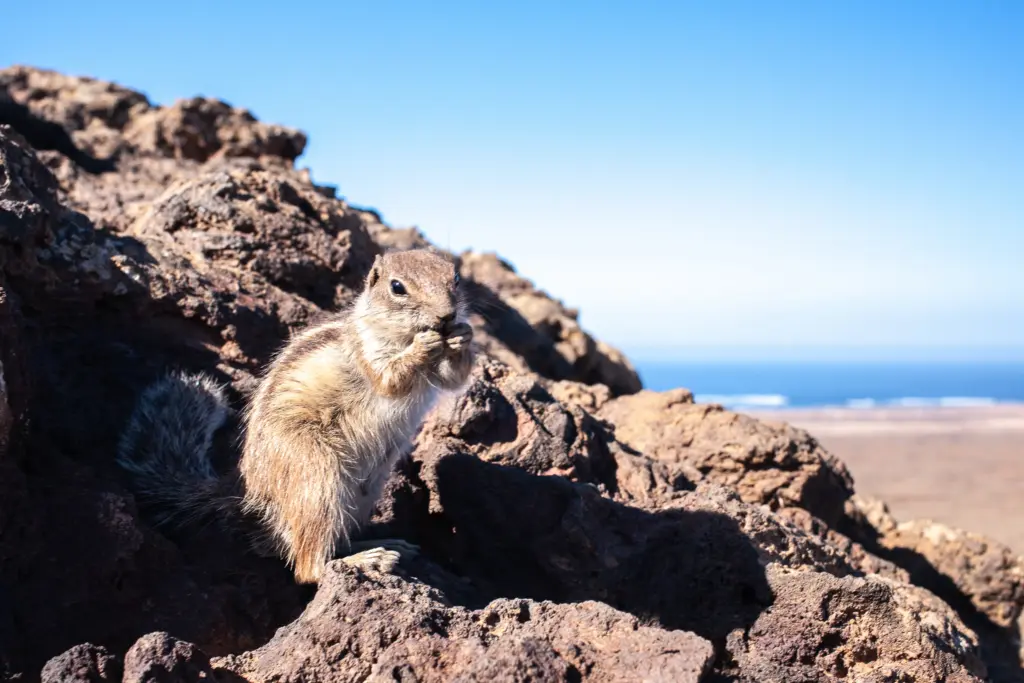
The Barbary Ground Squirrel (actually the North African chipmunk) was brought to Fuerteventura from Morocco in the 1960s and quickly became widespread. Today it is one of the island's best-known animals.

The small rodents can be found everywhere: at viewpoints, in rocky coastal regions or even in hotel complexes. Their inquisitive behaviour makes them popular with visitors - yet it is important not to feed them. Feeding is detrimental to their natural behaviour in the long term and can promote disease.

In nature, they feed on seeds, fruits and small insects and thus contribute to the ecological balance.

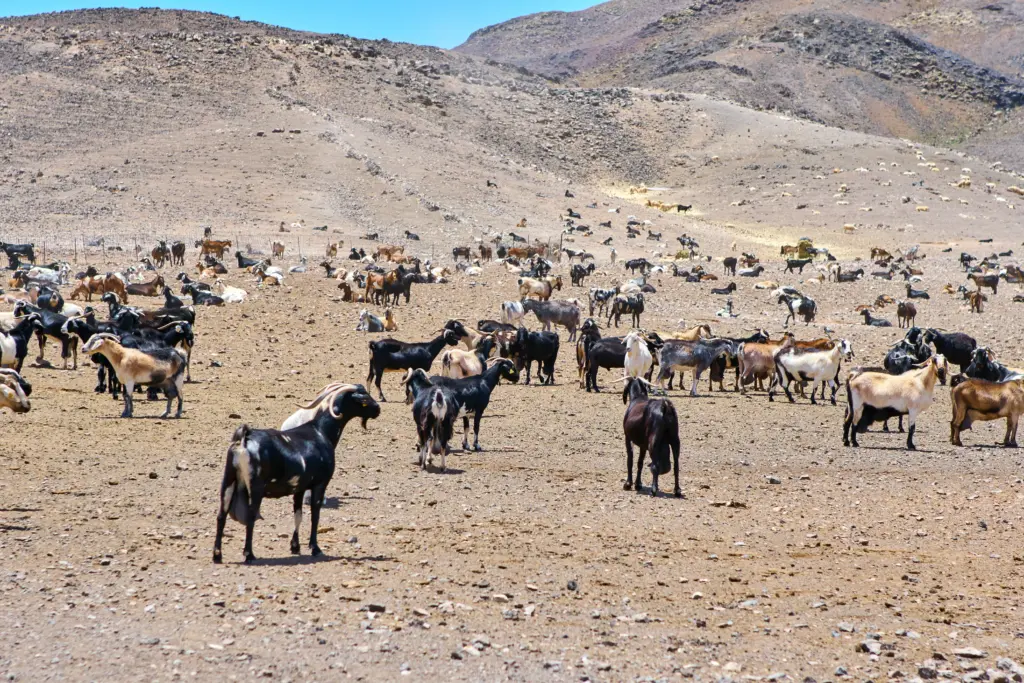
The Majorera goat is one of Fuerteventura's landmarks. It is considered to be particularly robust and frugal and provides the milk for the famous Queso Majorero, one of the best goat cheeses in Spain.
They can be seen grazing in small herds all over the island - especially inland. They are an integral part of the local culture and agriculture.
Visitors should take care not to disturb herds, especially when young animals are present.

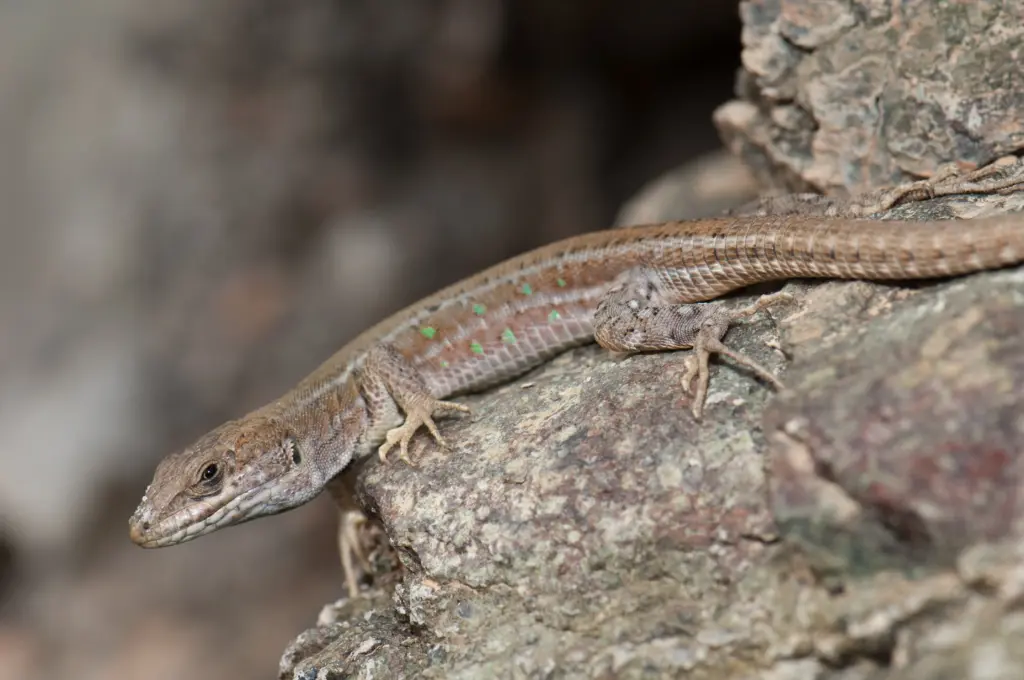
The Canary Island lizard is one of the most typical animals of Fuerteventura. It loves the sun and warmth and can be found almost everywhere on the island - on walls, rocks and paths. The animals are curious but cautious and flee into crevices in a flash as soon as danger threatens. Their colour varies between grey, brown and greenish depending on their habitat. Lizards are an important part of the ecosystem as they eat insects and spread plant seeds. Please never feed or touch them - this can make them ill.

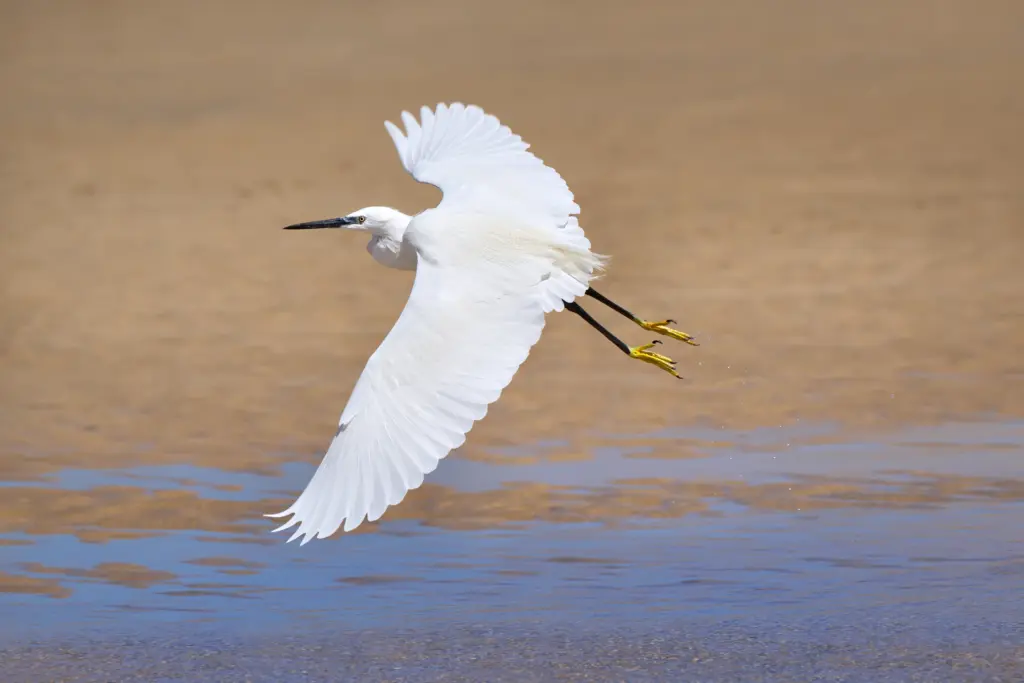
The elegant little egret with its snow-white plumage and long black legs can often be seen on the coastal lagoons and wetlands of Fuerteventura. With quick, precise steps, it wades through the shallow water and catches small fish, shrimps or insects. This graceful bird can be observed particularly well in the early hours of the morning when the light is golden over the salt pans. Herons are very shy - so you should approach them quietly and at a distance so as not to disturb them.

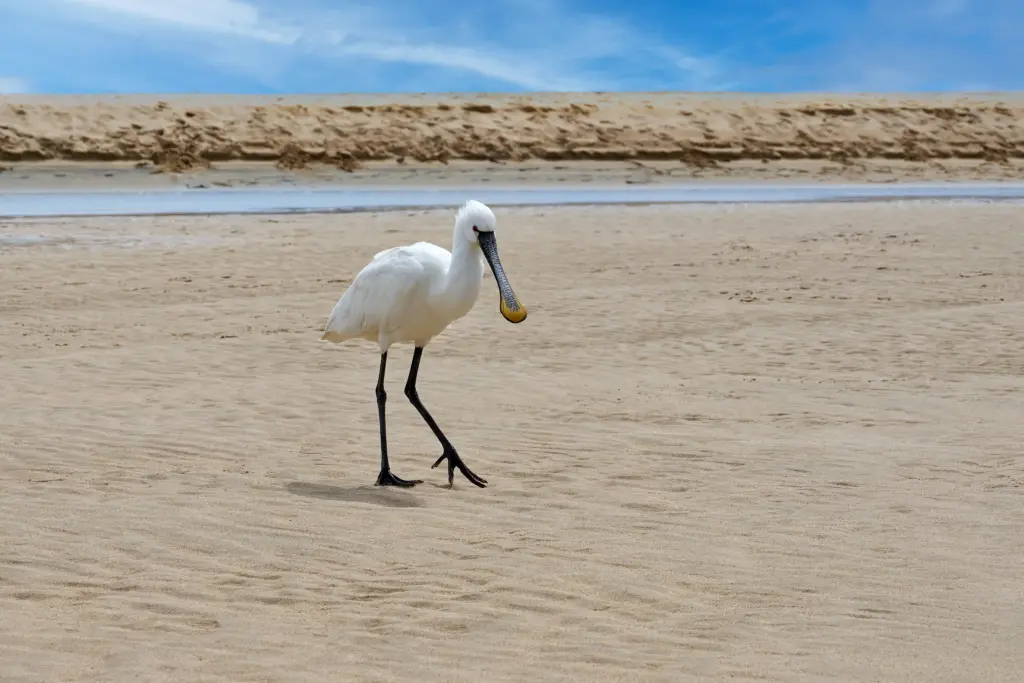
Eurasian Spoonbills often appear in small groups that search for food together. The regular oscillation of their beaks in the shallow water appears almost choreographed. These animals travel long distances between their breeding and resting grounds and often stop off in Fuerteventura on their migration route. They are particularly sensitive to light and should therefore not be photographed with a flash or startled.

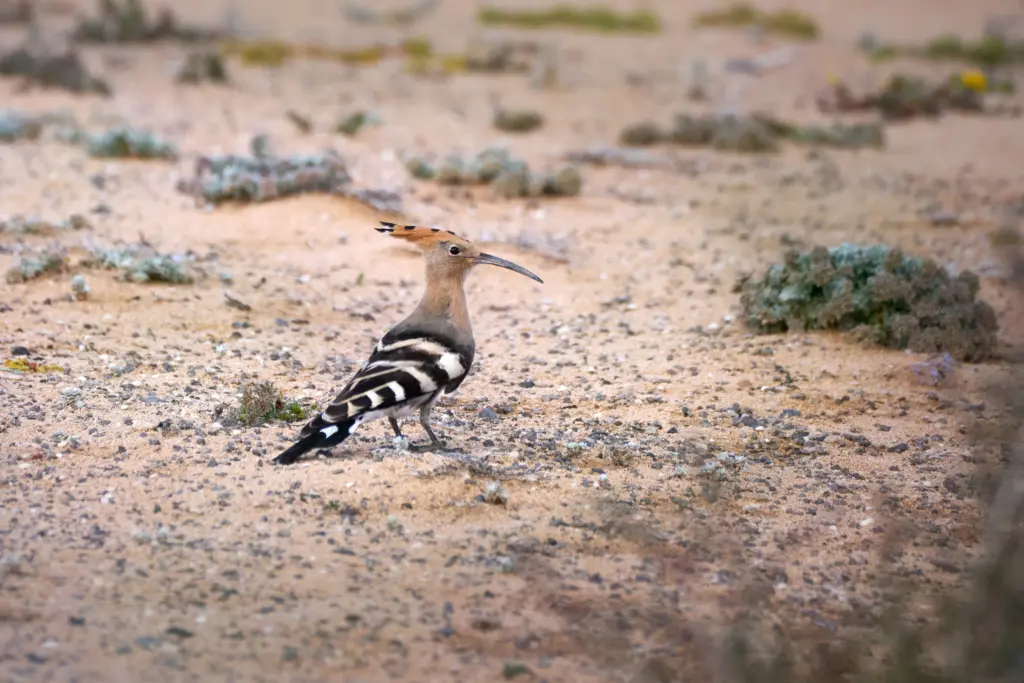
The hoopoe is easy to recognise with its striking feather crest and distinctive "up-up-up" call. It is one of the most colourful birds in Fuerteventura and can often be seen in open fields or olive groves. With its long, curved beak, it pokes around in the ground for insects and larvae. Hoopoes prefer quiet areas with old trees or cracks in walls to breed. Those who see them experience a special moment - although they are not rare, they are shy and cautious.

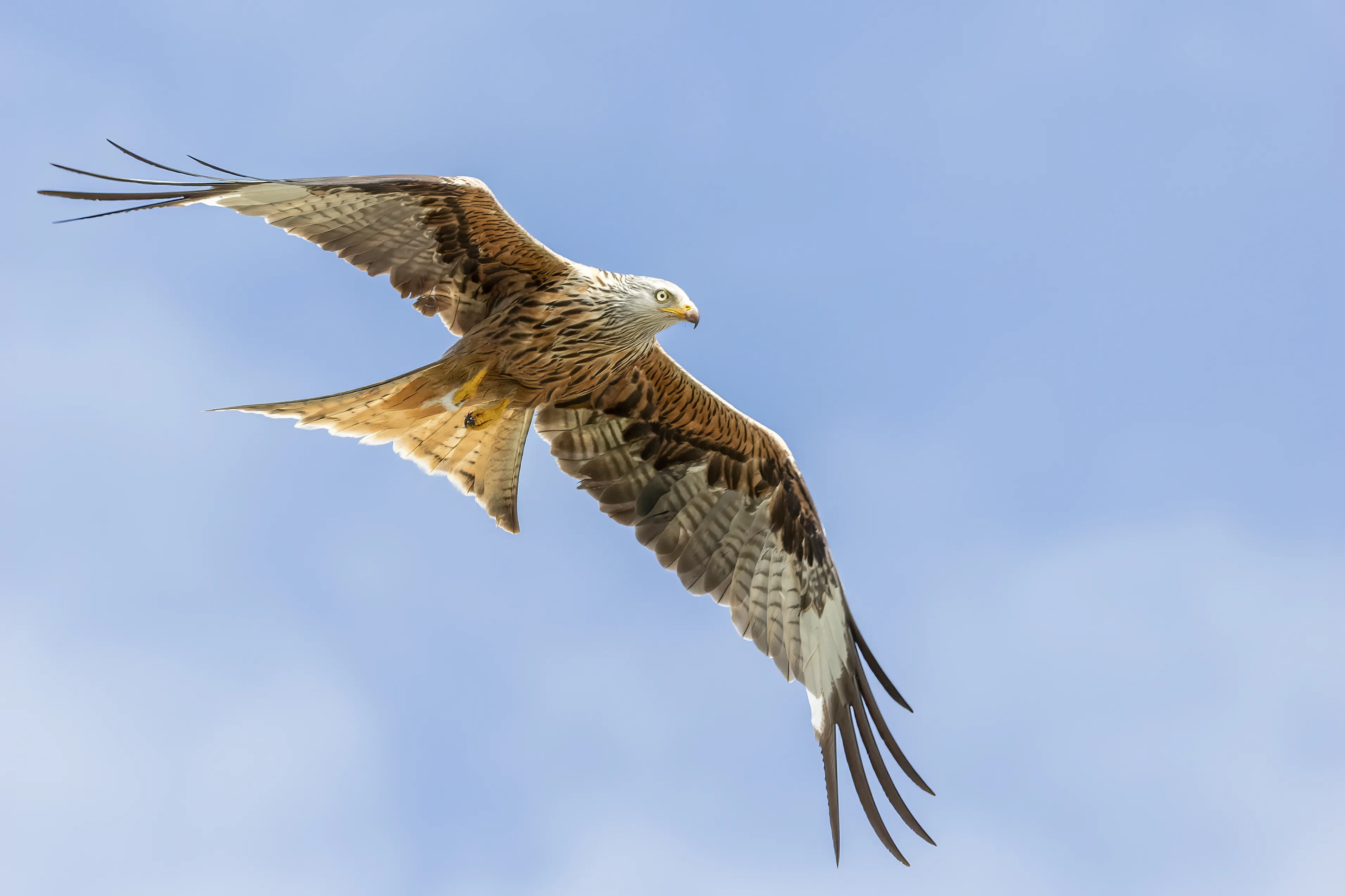
Birds of prey often circle majestically and silently over the wide valleys and ravines of the island. The Canary buzzard in particular is native to Fuerteventura. With sharp eyes, it spies its prey - lizards, small mammals or birds - from great heights. Its call echoes through the silence of the landscape. Birds of prey are important for the ecological balance as they hunt weak or sick animals. Anyone observing them should keep a respectful distance - they are particularly sensitive to disturbance during the breeding season.

The Atlantik Canary, the wild ancestor of the well-known canary, is widespread on Fuerteventura. With its greenish-yellow plumage and lively song, it brings life to even the most barren areas. It favours shrubs, fruit trees and open rocky landscapes. These birds are very social and usually occur in small groups. Their song can be heard almost all year round - a symbol of joie de vivre and adaptation to the island's natural conditions.

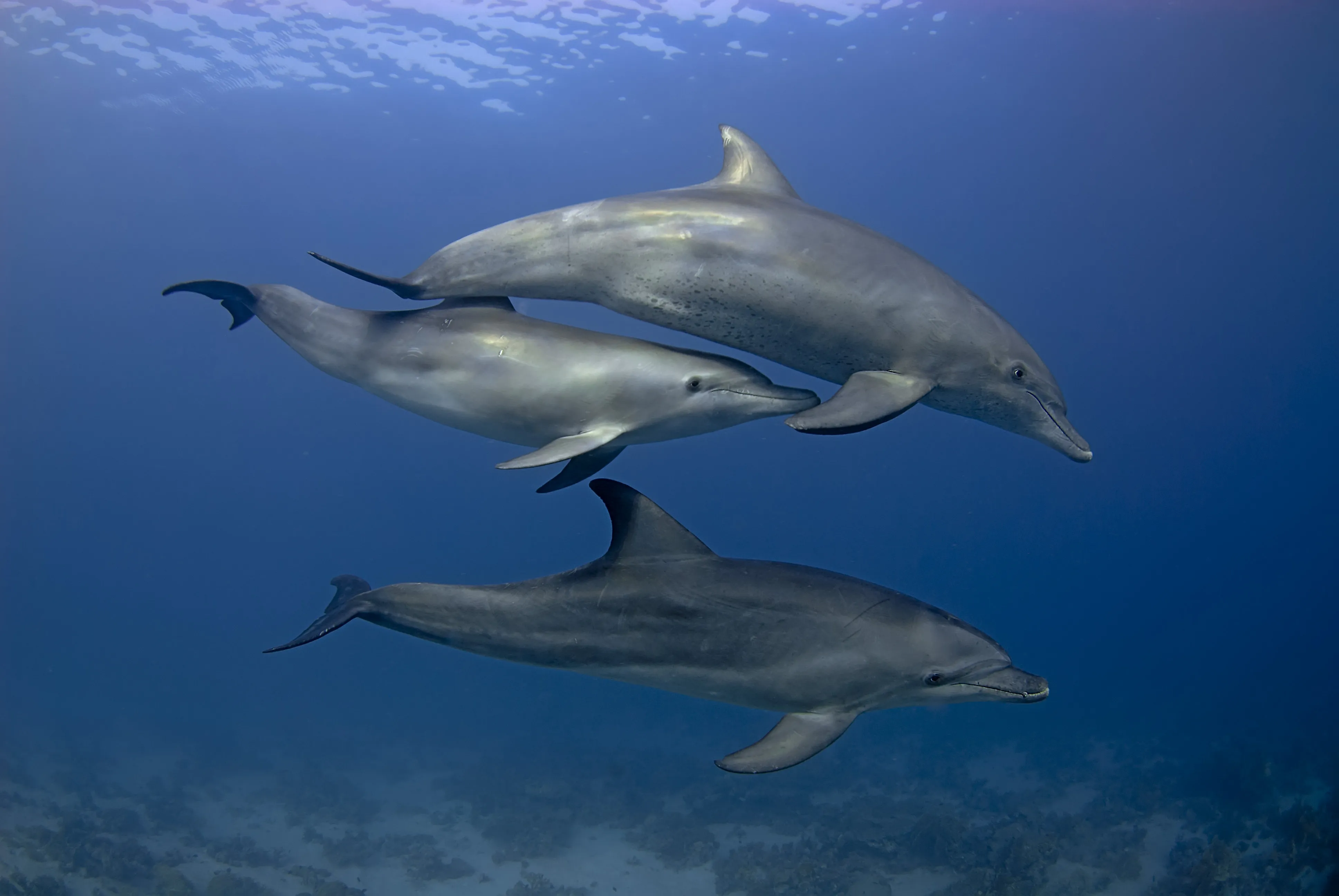
Various species of dolphin live off the coast of Fuerteventura, including the bottlenose dolphin and the common dolphin. They often accompany boats, jumping playfully out of the water and appearing almost familiar. In fact, they are very social animals that live in close family groups and communicate via clicking sounds. Encounters with dolphins are among the most beautiful nature experiences on the island - however, you should always keep your distance and only choose certified providers for boat tours. Wild dolphins should never be fed or chased - they need their natural space in the sea.

iStock-951520640animal_result

The loggerhead turtle is one of the most fascinating sea creatures in the Canary Islands. They can grow up to one metre in size and live for decades. Fuerteventura plays an important role in their return, as projects have been launched on some beaches in recent years to reintroduce the animals. Turtles lay their eggs on warm sandy beaches before returning to the open sea. Anyone who encounters a turtle while diving or snorkelling should remain calm, not touch it and keep at least three metres away. These silent, ancient creatures are a reminder of how vulnerable life in the ocean is.

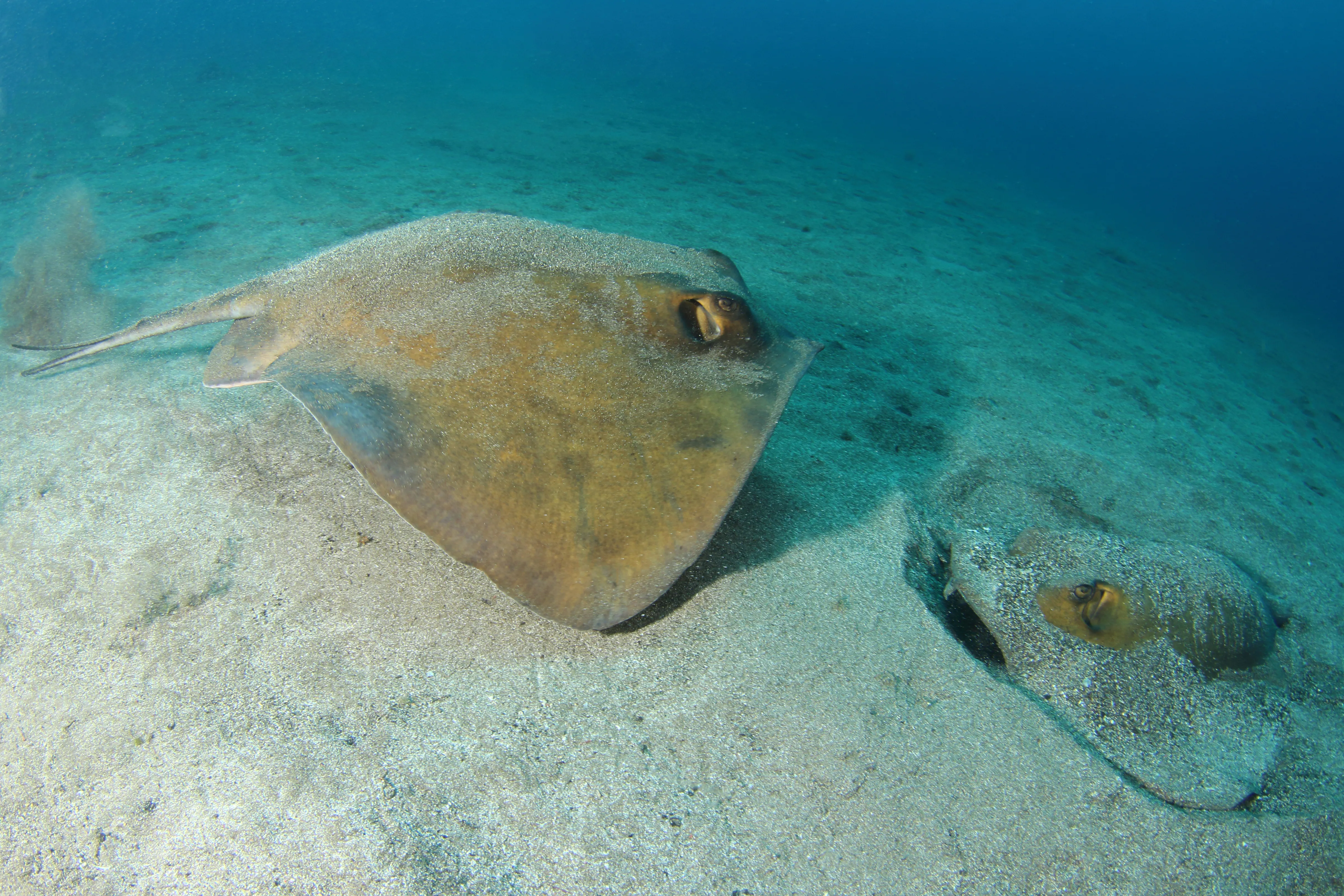
A fascinating world hides beneath the surface of the Atlantic - and one of its most elegant inhabitants is the eagle ray. With a wingspan of up to two metres, it glides majestically across the sandy seabed. It feeds on mussels and crustaceans, which it crushes with its powerful mouth. Eagle rays are peaceful and harmless, but very shy. Anyone who sees one of these animals while diving or snorkelling experiences a quiet, almost magical moment - an encounter that should be enjoyed calmly and without approaching.

iStock-1180286096animal_result

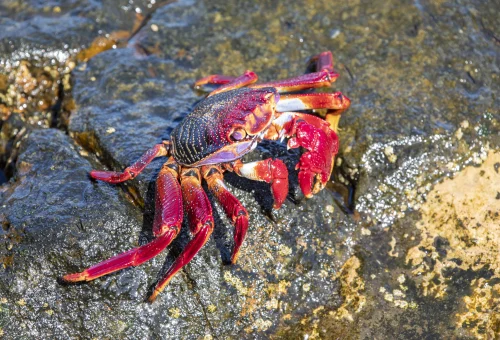
The bright red rock crab is one of the most colourful coastal inhabitants of Fuerteventura. It lives in the rocky intertidal zones and is particularly active at low tide, when it picks up algae remains and small organisms from between the lava rocks. Its shiny carapace shimmers in shades of red, purple or black, depending on the light. Although it is often easy to see, it remains very vigilant - in case of danger it disappears between the crevices in a flash. Rock crabs are important for the ecological balance of the coasts as they remove dead plant debris. Please do not touch them or lift them out of the water - they are sensitive creatures that play a crucial role in their environment.

Experience Fuerteventura in all its facets

Articles, impressions & interesting facts